Cryptocurrency
Bitcoin Heads for Its Worst Q4 Since 2018 as Traders See Further Fatigue

Bitcoin finished the fourth quarter of 2025 with its poorest performance since 2018. Between September and December, the price dropped nearly 22%, falling to around $88,000. This was almost a 30% dive from its all-time high near $126,100. The price slide defied the usual seasonal trend, where Bitcoin often sees a “Christmas rally” that lifts prices at year-end. Instead, traders faced a tough quarter marked by fatigue and market shifts.


Bitcoin: what has caused the cryptocurrency’s latest revival? | The Guardian
Table of Contents
Why Did Bitcoin Decline So Sharply in Q4 2025?
Several factors pushed Bitcoin down in the last three months of 2025. These helped create a more cautious mood among traders, leading to lower demand and a drop in price.
Global Tensions and Investors Avoiding Risk
Ongoing global political issues made investors nervous. This risk-averse mood lowered interest in Bitcoin, a usually volatile asset. Many traders sold off their BTC Heads for Its Worst Q4 Since 2018 as Traders See Further Fatigue
BTC finished the fourth quarter of 2025 with its poorest performance since 2018. Between September and December, the price dropped nearly 22%, falling to around $88,000. This was almost a 30% dive from its all-time high near $126,100. The price slide defied the usual seasonal trend, where BTC often sees a “Christmas rally” that lifts prices at year-end. Instead, traders faced a tough quarter marked by fatigue and market shifts.
Bitcoin: what has caused the cryptocurrency’s latest revival? | The Guardian
Why Did Bitcoin Decline So Sharply in Q4 2025?
Several factors pushed BTC down in the last three months of 2025. These helped create a more cautious mood among traders, leading to lower demand and a drop in price.
Global Tensions and Investors Avoiding Risk
Ongoing global political issues made investors nervous. This risk-averse mood lowered interest in BTC, a usually volatile asset. Many traders sold off their BTC holdings to avoid possible losses amid uncertainty, putting more pressure on prices.
Federal Reserve’s Mixed Signals
The Federal Reserve cut interest rates by just 25 basis points late in the quarter. Still, most of 2025 had restricted monetary policy. Tight money conditions meant fewer dollars were moving into risky markets like cryptocurrencies. Investors remained careful and less willing to bet big on BTC.
Drop in Bitcoin ETF Demand
BTC ETFs often boost the coin’s price by attracting big buyers. But in Q4, demand for these funds dropped sharply. Less enthusiasm meant fewer new purchases from both institutions and retail investors. This hurt BTCprice during months that usually see strong buying.
Miners Selling More Bitcoin
BTC miners felt the squeeze as prices fell. Their costs for running machines stayed high while rewards grew smaller. To cover these costs, miners sold more BTC. This extra supply added to selling pressure, pushing the price down further.
Shift to Other Cryptocurrencies
Investors moved money from BTC into other coins like Ethereum and Solana. Investors looked for better growth outside of BTC for now. This shift reduced Bitcoin’s support and helped boost other tokens at its expense.

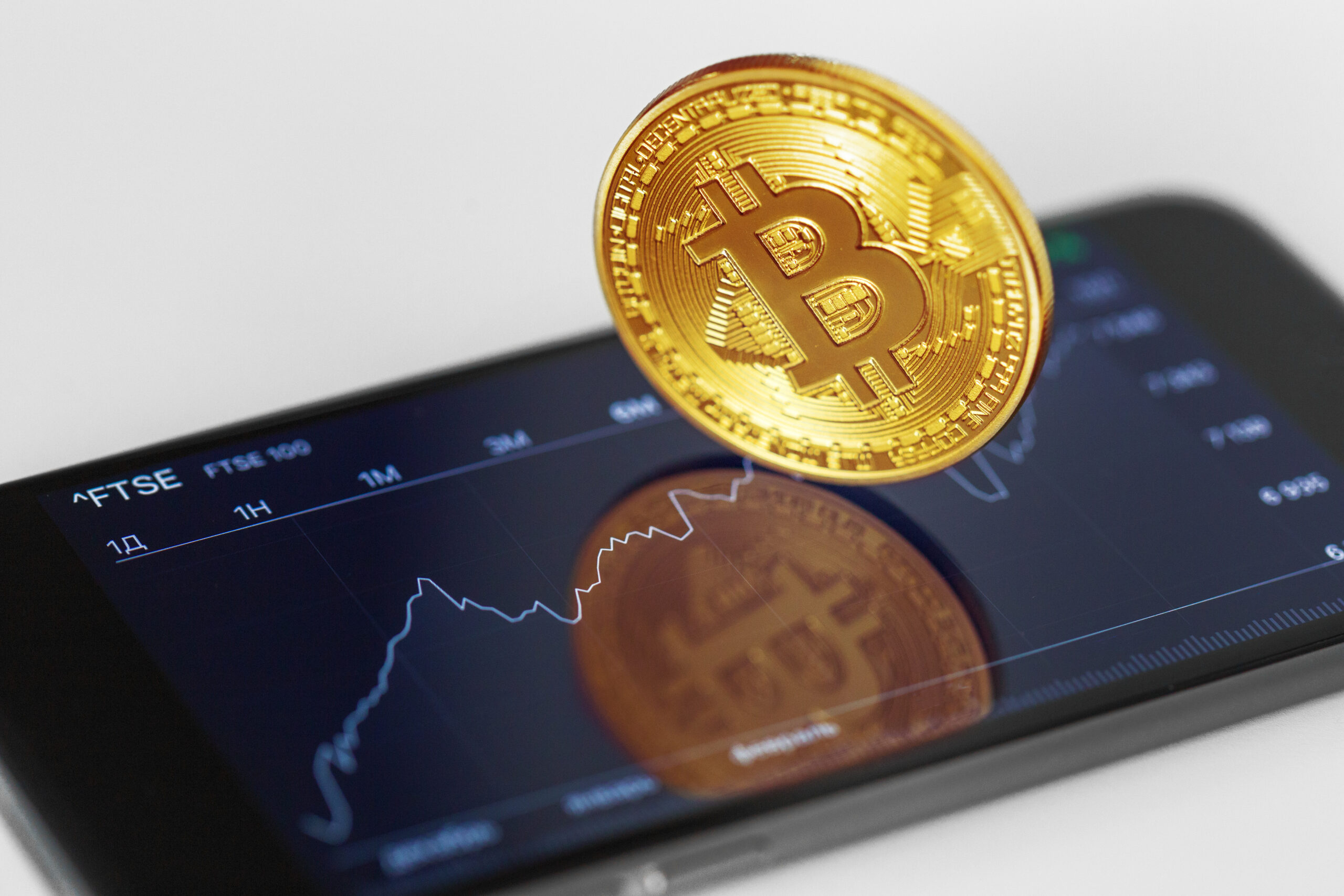

What is Bitcoin Cryptocurrency?
Bitcoin’s Market Strength Despite the Drop
Even with the poor Q4 showing, Bitcoin’s market cap stayed high—around $1.65 trillion. This shows that many big players still value BTC. Institutional buyers continued buying over-the-counter, treating BTC more like a tool or asset to hold long-term than a speculative gamble. Interest in blockchain projects tied to tokenization and utility also kept big money flowing. These factors helped balance BTC short-term price swings.
Institutional Market Perspectives on Bitcoin Q4 2025
According to a comprehensive research report by Fasanara Digital + Glassnode, BTC attracted over $732 billion in new capital in 2025, with reduced long-term volatility to 43%. The report also highlights that despite leverage shocks, institutional growth remains strong, supporting BTC valuation on a deeper level.[3]
What to Expect from Bitcoin in 2026
Looking ahead, many expect BTC to bounce back in 2026. Some points to watch include:
- More than $32 billion could flow into crypto exchange-traded products (ETPs) linked to BTC, Ethereum, Solana, and XRP.
- In 2025, BTC saw about $22 billion in inflows, with Ethereum bringing in around $10 billion.
- The boost from institutional investors may help stabilize BTC and push prices higher.
- After the tired trading in Q4, volumes might return to normal, supporting stronger price moves.
Expert Analysis on BTC Price Outlook
Experts analyzing the market advise watching key support and resistance levels as BTC remained range-bound between $85,000 and $94,000 in Q4 2025 despite heavy selling pressure. This analysis from BeInCrypto emphasizes the importance of steady institutional ETF holdings in preventing further declines and outlines potential scenarios for a 2026 recovery.[5]
What Social Media Says About Bitcoin’s Q4 Fatigue
Conversations on Twitter (now X) and other platforms show mixed feelings. Traders are talking more about altcoins, with Ethereum and Solana getting bigger buzz. Miner sell-offs are a frequent topic, showing sellers continue to affect BTC supply. Still, many remain hopeful for a bull run in 2026, tying this hope to typical crypto cycles and improved market conditions. Data from CoinGlass backs up the stories by showing consistent losses in Q4, proving that selling pressure was widespread.
Conclusion: A Market Shift, Not a Panic
Bitcoin’s fall in the last quarter of 2025 is better seen as a sign of market change than panic selling. The market is maturing. Big investors and utility-focused tokens are shaping BTC future. Though the worst quarterly loss since 2018 might worry some, BTC strong market cap and expected capital inflows suggest it could rebound soon. Investors should watch macro trends, ETF demand, and altcoin flows for clues about where Bitcoin goes next.

Bitcoin – Wikipedia
Additional Resources and References
- For a detailed year-end summary of BTC market performance in 2025, see Nasdaq’s Crypto Market 2025 Year-End Review, which provides insight into the leverage resets and risk-off sentiment behind BTC price drop.[2]
- For a deep dive into fundamental crypto sector performance, including BTC relative underperformance in mid-2025, Grayscale’s Research Insights on Crypto Sectors offer valuable data and analysis.[4]
- Want to understand the mechanics of BTC? This How BTC Works | HowStuffWorks guide breaks down the technology behind BTC for beginners and experts alike.
holdings to avoid possible losses amid uncertainty, putting more pressure on prices.
Federal Reserve’s Mixed Signals
The Federal Reserve cut interest rates by just 25 basis points late in the quarter. Still, most of 2025 had restricted monetary policy. Tight money conditions meant fewer dollars were moving into risky markets like cryptocurrencies. Investors remained careful and less willing to bet big on BTC.
Drop in Bitcoin ETF Demand
BTC ETFs often boost the coin’s price by attracting big buyers. But in Q4, demand for these funds dropped sharply. Less enthusiasm meant fewer new purchases from both institutions and retail investors. This hurt Bitcoin’s price during months that usually see strong buying.
Miners Selling More Bitcoin
BTC miners felt the squeeze as prices fell. Their costs for running machines stayed high while rewards grew smaller. To cover these costs, miners sold more BTC. This extra supply added to selling pressure, pushing the price down further.
Shift to Other Cryptocurrencies
Investors moved money from BTC into other coins like Ethereum and Solana. Investors looked for better growth outside of BTC for now. This shift reduced Bitcoin’s support and helped boost other tokens at its expense.
What is Bitcoin Cryptocurrency?
Bitcoin’s Market Strength Despite the Drop
Even with the poor Q4 showing, Bitcoin’s market cap stayed high—around $1.65 trillion. This shows that many big players still value BTC. Institutional buyers continued buying over-the-counter, treating BTC more like a tool or asset to hold long-term than a speculative gamble. Interest in blockchain projects tied to tokenization and utility also kept big money flowing. These factors helped balance Bitcoin’s short-term price swings.
Institutional Market Perspectives on BTC Q4 2025
According to a comprehensive research report by Fasanara Digital + Glassnode, Bitcoin attracted over $732 billion in new capital in 2025, with reduced long-term volatility to 43%. The report also highlights that despite leverage shocks, institutional growth remains strong, supporting BTC valuation on a deeper level.[3]
What to Expect from Bitcoin in 2026
Looking ahead, many expect BTC to bounce back in 2026. Some points to watch include:
- More than $32 billion could flow into crypto exchange-traded products (ETPs) linked to BTC, Ethereum, Solana, and XRP.
- In 2025, BTC saw about $22 billion in inflows, with Ethereum bringing in around $10 billion.
- The boost from institutional investors may help stabilize BTC and push prices higher.
- After the tired trading in Q4, volumes might return to normal, supporting stronger price moves.
Expert Analysis on BTC Price Outlook
Experts analyzing the market advise watching key support and resistance levels as BTC remained range-bound between $85,000 and $94,000 in Q4 2025 despite heavy selling pressure. This analysis from BeInCrypto emphasizes the importance of steady institutional ETF holdings in preventing further declines and outlines potential scenarios for a 2026 recovery.[5]
What Social Media Says About Bitcoin’s Q4 Fatigue
Conversations on Twitter (now X) and other platforms show mixed feelings. Traders are talking more about altcoins, with Ethereum and Solana getting bigger buzz. Miner sell-offs are a frequent topic, showing sellers continue to affect BTC supply. Still, many remain hopeful for a bull run in 2026, tying this hope to typical crypto cycles and improved market conditions. Data from CoinGlass backs up the stories by showing consistent losses in Q4, proving that selling pressure was widespread.
Conclusion: A Market Shift, Not a Panic
Bitcoin’s fall in the last quarter of 2025 is better seen as a sign of market change than panic selling. The market is maturing. Big investors and utility-focused tokens are shaping BTC future. Though the worst quarterly loss since 2018 might worry some, BTC strong market cap and expected capital inflows suggest it could rebound soon. Investors should watch macro trends, ETF demand, and altcoin flows for clues about where BTC goes next.
Bitcoin – Wikipedia
Additional Resources and References
- For a detailed year-end summary of BTC market performance in 2025, see Nasdaq’s Crypto Market 2025 Year-End Review, which provides insight into the leverage resets and risk-off sentiment behind BTC price drop.[2]
- For a deep dive into fundamental crypto sector performance, including BTC relative underperformance in mid-2025, Grayscale’s Research Insights on Crypto Sectors offer valuable data and analysis.[4]
- Want to understand the mechanics of BTC ? This How BTC Works | HowStuffWorks guide breaks down the technology behind Bitcoin for beginners and experts alike.