News Feed
War vs Market: How Middle East Crisis is Affecting Indian Stocks & Crypto in 2026

🔥 Introduction
War vs Market : Global markets are once again under pressure as geopolitical tensions rise in the Middle East in 2026. Conflicts involving major powers like the US, Iran, and Israel are not just political events—they have a direct and powerful impact on financial markets worldwide.
From rising crude oil prices to volatile stock markets and surging interest in cryptocurrencies, investors are witnessing a familiar pattern: war creates uncertainty, and uncertainty drives market movement.
In this blog, we will break down how the Middle East crisis is affecting Indian stocks, crypto markets, and where smart investors can find opportunities during this turbulence.
Table of Contents
🌍 What’s Happening in the Middle East?
The Middle East remains one of the most sensitive geopolitical regions in the world. In 2026, rising tensions between major nations have created fears of supply disruptions, military escalation, and global instability.


One of the most critical factors is the Strait of Hormuz, a narrow passage through which nearly 20% of the world’s oil supply passes. Any disruption here can shake the entire global economy.
For countries like India, which rely heavily on oil imports, this situation becomes even more crucial.
🛢️ Impact on Crude Oil Prices
Whenever war tensions rise in oil-rich regions, crude oil prices tend to spike. This happens because:
- Supply chains are disrupted
- Production becomes uncertain
- Transportation risks increase
For India, higher oil prices mean:
- Increased import bills
- Rising inflation
- Pressure on the Indian rupee
As fuel prices rise, it creates a ripple effect across industries, ultimately impacting both businesses and consumers.
📉 Impact on Indian Stock Market
a) Negative Impact Sectors
Certain sectors are hit hardest during geopolitical crises:
- Aviation: Fuel costs increase significantly
- FMCG & Paints: Raw material prices rise
- Logistics & Transport: Operational costs surge
These sectors often see declining stock prices during such periods.
b) Positive Impact Sectors
Interestingly, some sectors benefit from crisis situations:
- Oil & Gas Companies: Higher crude prices boost revenues
- Defense Stocks: Increased military spending
- Renewable Energy: Shift toward energy independence
Investors often rotate their money into these sectors during uncertain times.
c) Market Behavior
During war-like situations, the Indian stock market typically shows:
- High volatility in indices like Nifty and Sensex
- Selling pressure from foreign institutional investors (FIIs)
- Panic-driven short-term corrections
However, these corrections often create long-term buying opportunities.
🪙 Impact on Cryptocurrency Market War vs Market
Cryptocurrencies have emerged as a modern alternative asset during global crises.
During the 2026 Middle East tensions, crypto markets are showing mixed reactions:
- Bitcoin is being seen as “digital gold”
- Increased demand from investors seeking decentralization
- Higher volatility in altcoins
Unlike traditional markets, crypto operates 24/7 and is not controlled by governments, making it attractive during geopolitical instability.
🥇 Gold vs Bitcoin: Safe Haven Battle War vs Market
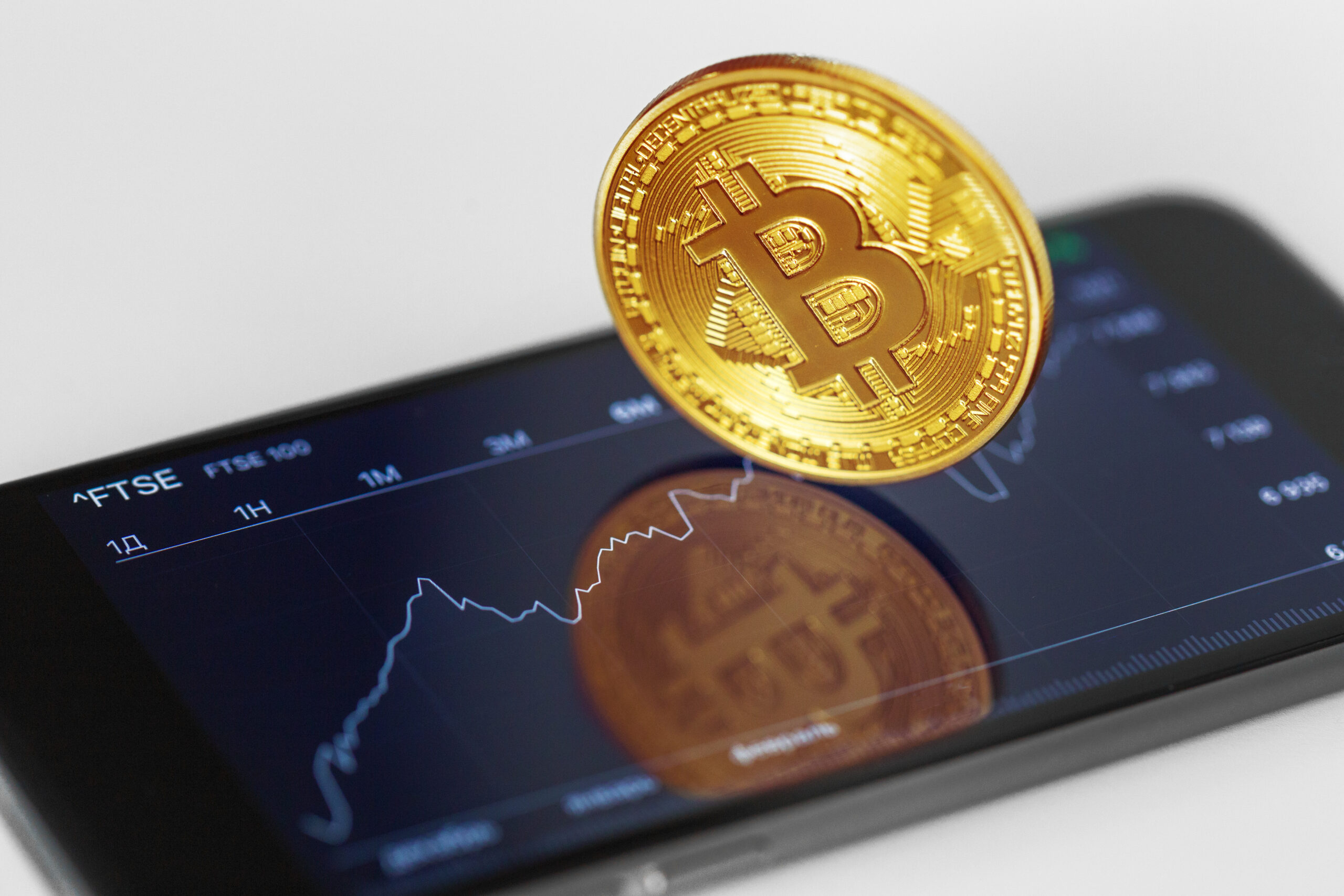
In times of crisis, investors traditionally turn to gold. However, in recent years, Bitcoin has entered the competition as a digital safe haven.
Gold
- Stable and time-tested
- Less volatile
- Preferred by conservative investors
Bitcoin
- High growth potential
- More volatile
- Preferred by younger and tech-savvy investors
In 2026, both assets are gaining attention, showing that diversification is becoming key for investors.
📊 Historical Examples
History shows a clear pattern when it comes to war and markets:
- Russia–Ukraine War (2022):
- Oil prices surged
- Stock markets corrected
- Crypto initially fell, then recovered
- Gulf War (1990s):
- Massive spike in oil prices
- Global economic slowdown
These examples highlight one important lesson:
👉 Every crisis brings volatility—but also opportunity.
🇮🇳 What It Means for Indian Investors War vs Market
For Indian investors, the current situation requires a balanced and strategic approach.
Short-Term Strategy
- Avoid panic selling
- Stay cautious with high-risk stocks
- Focus on defensive sectors
Long-Term Strategy
- Invest in fundamentally strong companies
- Use market dips as buying opportunities
- Diversify across assets (stocks, gold, crypto)
🚀 Opportunities in Crisis War vs Market
Smart investors know that market downturns are the best time to build wealth.
Here are some opportunities to watch:
- Undervalued blue-chip stocks
- Energy and defense sectors
- Long-term crypto investments (especially Bitcoin)
Timing the market perfectly is difficult, but disciplined investing during fear-driven markets often delivers strong returns. Click Here
⚠️ Risks to Watch
While opportunities exist, risks should not be ignored:War vs Market
- Rising inflation
- Interest rate hikes
- Global recession fears
- Currency depreciation
Investors should always maintain proper risk management and avoid overexposure.
🔮 Future Outlook (2026)
The future of markets largely depends on how the situation unfolds:War vs Market
- If tensions escalate:
- Markets may see deeper corrections
- Oil prices could rise further
- If tensions ease:
- Strong recovery rally possible
- Investor confidence will return
For crypto, the long-term outlook remains bullish due to increasing adoption and institutional interest.
🧠 Conclusion
The Middle East crisis of 2026 is a reminder that global events and financial markets are deeply interconnected. While wars create fear and uncertainty, they also open doors for smart investment opportunities.
The key is to stay informed, avoid emotional decisions, and focus on long-term goals.
👉 Remember: Markets may fluctuate in the short term, but disciplined investors always win in the long run.
🔗 For More Insights
Stay updated with the latest stock and crypto trends on:
👉 www.cryptostockwaves.com
🌍 Global Economy & War Impact
- World Bank (India growth, global economy)
👉 https://www.worldbank.org/en/country/india - IMF Global Outlook
👉 https://www.imf.org/en/Publications/WEO