News Feed
Pump Panic: Why Petrol & Diesel Prices Are Draining India’s Middle Class 2026

Rising crude prices, a weakening rupee, and sky-high taxes — how India’s fuel burden became an economic crisis hiding in plain sight.
An Indian Oil petrol pump — the daily stop that millions of Indians dread checking. | Photo: Wikimedia Commons
Every time Ramesh Kumar pulls up to a petrol pump in Delhi, he does the same calculation in his head — how much fuel he can afford this week without skipping his daughter’s tuition fees. He’s not alone. Millions of middle-class Indians are doing the same mental math at fuel stations across the country.
Table of Contents
Introduction: The Price That Changes Everything
Petrol and diesel prices in India have become one of the most talked-about kitchen-table issues of the decade. With petrol hovering around ₹94–106 per litre across major cities and diesel not far behind, the fuel price crisis in India is no longer just an economic headline — it is a daily lived reality for India’s vast middle class.
Whether you commute on a two-wheeler in Chennai, run a small delivery business in Pune, or manage a household budget in Lucknow, rising fuel costs touch every corner of your financial life. This blog post breaks down why petrol and diesel prices keep rising in India, how it specifically hurts the middle class, and what you can realistically expect going forward.
Why Are Petrol & Diesel Prices So High in India?
Understanding the root causes of India’s fuel price crisis requires looking at both global factors and domestic policy decisions.
1. India’s Dependence on Crude Oil Imports
India imports approximately 85% of its crude oil requirements — making it one of the most import-dependent major economies in the world. According to the Petroleum Planning and Analysis Cell (PPAC), this figure has remained stubbornly high despite domestic exploration efforts. Every time global crude oil prices rise — driven by OPEC+ supply cuts, geopolitical tensions in the Middle East, or demand surges from China — India feels the pinch almost immediately.
When Brent crude trades above $80 per barrel, Indian state-owned refiners like Indian Oil, HPCL, and BPCL absorb enormous costs that eventually get passed on to the consumer.


India’s oil import dependence makes it highly vulnerable to global crude price swings. | Photo: Unsplash
2. The Rupee–Dollar Exchange Rate Problem
Since crude oil is priced in US dollars, the INR/USD exchange rate plays a massive role in what Indians pay at the pump. As the rupee weakens against the dollar — a trend well-documented by the Reserve Bank of India (RBI) — the cost of importing oil rises automatically, even if the international price of crude stays flat. A rupee trading at ₹84–86 to the dollar means Indian oil companies pay significantly more per barrel than when the rupee was at ₹65–70.
3. Taxes: The Hidden Culprit Petrol & Diesel
Here is the uncomfortable truth: taxes account for nearly 50–55% of the final petrol price in India. Both the Central Government (through excise duty) and State Governments (through VAT) levy heavy taxes on fuel. This is a major revenue source — which is also why reducing fuel prices is a politically and fiscally difficult decision.
⚠ Did You Know?
When global crude prices fell sharply in 2020, the Indian government raised excise duty on petrol by ₹13/litre and on diesel by ₹16/litre — pocketing the benefit rather than passing it to consumers. Source: Union Budget documents.
4. Controlled Pricing by State-Owned Refiners Petrol & Diesel
India’s fuel pricing is theoretically market-linked, but in practice, oil marketing companies (OMCs) often delay price revisions — especially before elections. This creates sudden, large hikes that shock consumers who had been insulated from gradual changes.
How the Fuel Crisis Is Hurting India’s Middle Class
The middle class — broadly defined as households earning ₹25,000–₹1,00,000 per month — is caught in a particularly painful squeeze.
Millions of middle-class Indian families depend on two-wheelers as their primary mode of transport — making them uniquely vulnerable to petrol price hikes. | Photo: Unsplash
Commuting Costs Have Exploded Petrol & Diesel
India’s middle class is largely dependent on personal vehicles: motorcycles, scooters, and small cars. With fuel prices where they are today, a person commuting 40 km daily now spends ₹3,000–₹5,000 per month just on petrol — leaving less for EMIs, education, healthcare, and savings. According to a CMIE household survey, transportation expenses have become the third-largest household expenditure item for urban Indians.
Inflation Cascades Through the Entire Economy Petrol & Diesel
Diesel is the backbone of India’s logistics and transportation sector. When diesel prices rise, the cost of transporting goods — vegetables, groceries, medicines, raw materials — rises too. This fuel-driven inflation hits the middle class on both ends: travel costs go up, and so do prices at the market. The Ministry of Statistics (MOSPI) data consistently shows a strong correlation between diesel prices and the Consumer Price Index (CPI).

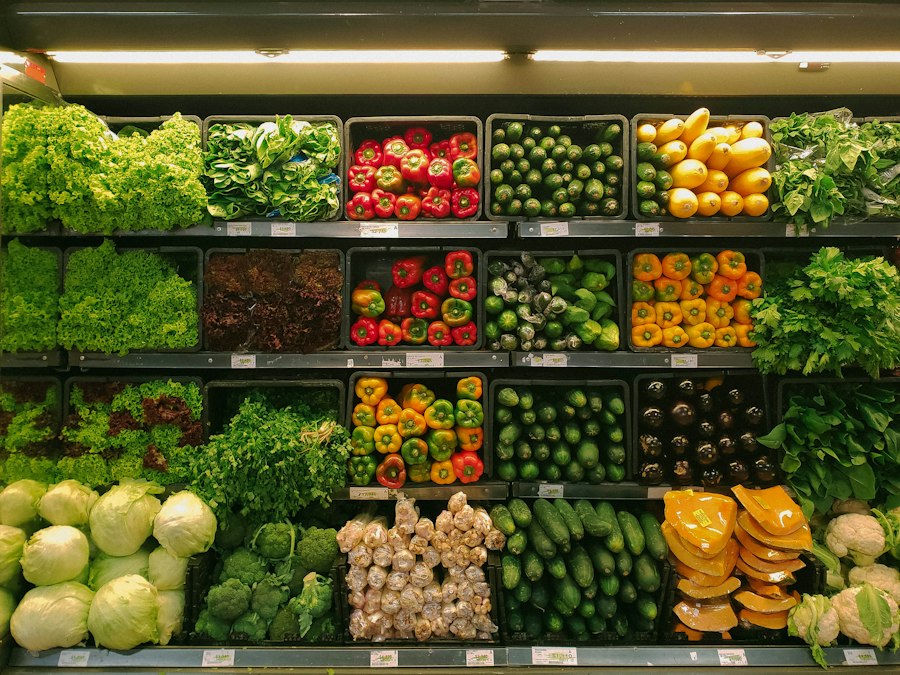
Rising diesel costs trickle down to everyday items — from vegetables to medicines — making inflation a compounding burden. | Photo: Unsplash
Small Business Owners Are Squeezed the Hardest
Auto-rickshaw drivers, cab operators, delivery agents, small fleet owners, and farmers who run tractors or irrigation pumps are among the hardest hit. For these micro-entrepreneurs — the backbone of India’s informal economy — fuel is an operating cost, not a lifestyle choice. When it rises, margins collapse and incomes shrink. The Federation of Indian Chambers of Commerce & Industry (FICCI) has repeatedly flagged fuel costs as a top concern for small businesses.
Savings and Investments Take a Hit
When more income goes toward fuel, middle-class families reduce contributions to SIPs, insurance premiums, and emergency funds. According to AMFI data, growth in retail SIP contributions has slowed in cities with the highest fuel costs — suggesting a direct link between pump prices and household financial planning.
What Has the Government Done Petrol & Diesel ?
The government has taken some steps to address fuel price pressures:
- Excise duty cuts in 2022 provided temporary relief of ₹8–10/litre on petrol and ₹6/litre on diesel. (PIB announcement)
- PM Ujjwala Yojana has subsidized LPG for low-income households, though the middle class sees little direct benefit.
- Ethanol blending — India is targeting 20% ethanol blending in petrol by 2025–26 as a long-term strategy to reduce crude dependency. (Ministry of New & Renewable Energy)
- GST inclusion for petroleum products remains a pending reform that economists widely support as the most effective path to rational, lower fuel taxation.
📝 Expert View
“Bringing petrol and diesel under GST would be a game-changer — it would eliminate the cascading effect of excise and VAT, and potentially reduce prices by ₹15–25 per litre.” — National Institute of Public Finance and Policy (NIPFP)
Is There Any Relief on the Horizon Petrol & Diesel ?
The short answer: cautiously, yes — but not immediately. Several factors could ease fuel prices over the medium term:
- A strengthening rupee would reduce import costs significantly without any policy change.
- A sustained drop in global crude prices — possible if demand cools or OPEC+ increases output.
- India’s growing electric vehicle (EV) ecosystem, with brands like Ola Electric, TVS, and Hero Electric gaining rapid ground in the two-wheeler segment.
- Increased domestic oil production from Rajasthan fields and the Krishna-Godavari basin over the long term.News

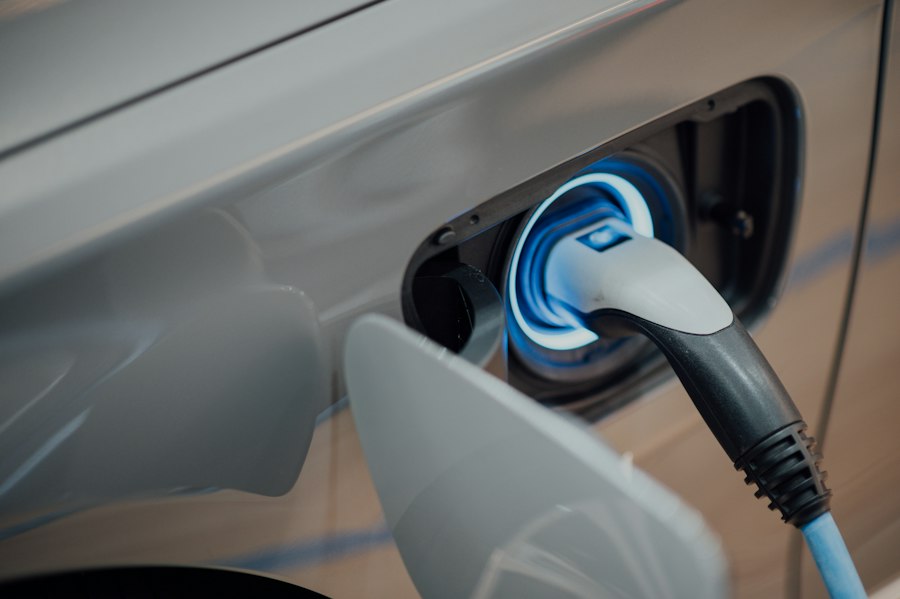
Electric two-wheelers are increasingly seen as India’s escape route from the petrol price trap — and adoption is accelerating fast. | Photo: Unsplash
What Can You Do Right Now?
While waiting for policy changes, here are practical steps to manage rising fuel costs:
- 1Use public transport or carpool — Metro networks in Delhi, Mumbai, and Bengaluru are expanding rapidly. Check Delhi Metro or your city’s transit app for routes.Petrol & Diesel
- 2Maintain your vehicle — proper tyre pressure, clean air filters, and timely servicing can improve fuel efficiency by 10–15%.
- 3Switch to CNG if your city has infrastructure — Indraprastha Gas Limited (IGL) data shows CNG costs roughly 60% less per km than petrol.
- 4Plan trips efficiently — combining errands into single trips and using Google Maps to avoid traffic can meaningfully reduce fuel consumption.
- 5Explore EV options — the total cost of ownership of electric two-wheelers is now often lower than petrol vehicles over a 3–5 year period. Compare on EVDekho.Petrol & Diesel
The Middle Class Can’t Keep Absorbing This
India’s petrol and diesel crisis is not just an energy problem — it is an economic justice issue. The middle class, which aspires to save, invest, and build a better future, is being squeezed from all sides by fuel prices it has no control over. Structural reforms, smarter taxation, accelerated EV adoption, and genuine energy diversification are the only lasting solutions. Until then, millions of Indians will keep doing the maths at the pump — hoping the numbers work out this week.Petrol & Diesel
petrol price Indiadiesel price hikefuel crisis Indiamiddle class Indiacrude oil importfuel inflationEV Indiapetrol tax IndiaOPEC IndiaGST petroleum
Found this article helpful? Share it with someone who needs to understand India’s fuel crisis.𝕏 Share on X🔆 WhatsApp💼 LinkedIn