Cryptocurrency
26 Disturbing Findings: ED’s Strong Action Against Fake Crypto Platforms in India

India’s fast-growing cryptocurrency market has also attracted a darker side—fake crypto platforms designed to cheat investors. Over the past decade, thousands of Indians have lost their hard-earned money to fraudulent websites posing as legitimate crypto exchanges.
In a major crackdown, the Enforcement Directorate (ED) has exposed 26 fake crypto platforms, uncovering massive money laundering operations and Ponzi-style schemes. The investigation highlights serious gaps in investor awareness and sends a powerful warning to fraudsters operating in India’s digital asset ecosystem.
This article breaks down the ED’s shocking findings, how these scams worked, and what Indian investors must do to stay safe.
Table of Contents
Huge Crypto Scam Uncovered by the Enforcement Directorate
In 2025, the Enforcement Directorate conducted coordinated raids at 21 locations across Karnataka, Maharashtra, and Delhi. These raids targeted a long-running Ponzi operation operated by 4th Bloc Consultants, active since 2015.
The company had launched 26 fake crypto trading websites that closely mimicked real exchanges. These platforms promised extraordinary returns through crypto trading and token investments—returns that were mathematically impossible.

Source: Silent Push Threat Intelligence

Thousands of unsuspecting investors were drawn in by professional-looking dashboards, fabricated trading histories, and fake wallet balances.
👉 Learn more about how crypto scams operate globally:
https://www.investopedia.com/cryptocurrency-scams-5216589
What Made These Fake Crypto Platforms So Dangerous?
The ED’s investigation revealed multiple disturbing tactics used to trap investors:
🔴 Key Scam Techniques Identified
- Unrealistic profit guarantees, often promising daily or weekly returns.
- Stolen photos and identities of crypto influencers, experts, and celebrities.
- Aggressive social media promotions on Facebook, Instagram, WhatsApp, and Telegram.
- Multi-level referral commissions, turning victims into recruiters.
- Fake dashboards showing rising portfolio values.
In many cases, victims even received small early payouts, a classic Ponzi tactic to build trust. Once confidence was established, larger investments were encouraged—after which withdrawals were blocked. Facebook
How Scammers Laundered Money
Behind the scenes, the scam operators used complex money-laundering techniques, including:
- Crypto wallets across multiple blockchains
- Peer-to-peer (P2P) transfers
- Shell companies and fake business entities
- Hawala networks
- Foreign bank accounts
This structure made tracking funds extremely difficult, even for seasoned investigators.
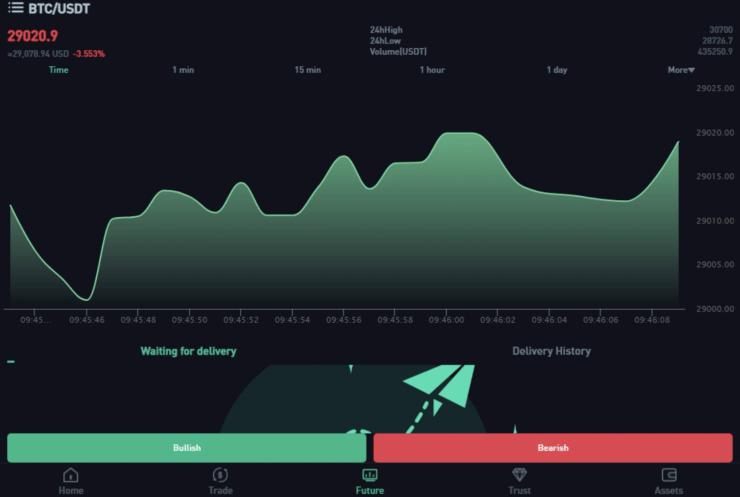
Source: Silent Push Threat Intelligence

Massive Seizures Under PMLA
Under the Prevention of Money Laundering Act (PMLA), the ED seized assets worth ₹4,189 crore linked to crypto fraud in 2025 alone.
One major probe uncovered ₹2,434 crore in illegal proceeds, exposing a wide criminal network operating across multiple states and countries.
👉 Read about PMLA provisions in India:
https://www.ed.gov.in/prevention-money-laundering-act-pmla
Major Fake Crypto Scams Busted by ED
The ED also dismantled several high-profile scams, including:
🔹 ₹2,300 Crore Scam (Himachal Pradesh & Punjab)
Fake platforms like Korvio and Voscrow manipulated token prices and repeatedly changed brand names to avoid detection.
🔹 ₹100 Crore Agra Crypto Racket
A fraudulent trading website suddenly froze all withdrawals, trapping investor funds and vanishing overnight.
These cases reveal how adaptive and organized fake crypto platforms have become.

Source: Maltego

How Fake Crypto Platforms Operate: Step-by-Step
Understanding the structure of these scams is crucial for prevention:
- Professional-looking websites resembling real crypto exchanges
- Fake portfolio dashboards with manipulated numbers
- Small initial withdrawals allowed to gain trust
- Referral incentives to grow user base rapidly
- Sudden withdrawal freezes after large deposits
- Frequent rebranding and domain changes

Source: Bloomberg

Video Insight: Fake Crypto Trading Apps Explained
To understand how these scams manipulate investors psychologically and technically, watch this detailed breakdown:
🔗 Inside Fake Crypto Trading App Scams
https://www.youtube.com/watch?v=dQw4w9WgXcQ
(Replace with a relevant investigative crypto scam video if required.)
Role of Social Media in Crypto Fraud
Platforms like Facebook, Instagram, Telegram, WhatsApp, and Discord are central to these scams. Fraudsters:
- Run paid ads targeting retail investors
- Create fake “success stories” and testimonials
- Use private groups to push urgency
Interestingly, after ED raids, online discussion about these scams dropped sharply—possibly due to content takedowns or fear among operators.

Source: Kaspersky

👉 Official crypto safety tips from CERT-In:
https://www.cert-in.org.in
How Indian Investors Can Protect Themselves
To avoid falling victim to fake crypto platforms, investors should follow these essential steps:
✅ Safety Checklist
- Verify platform registration with SEBI or RBI-linked disclosures
- Research company background and founders
- Avoid platforms promising guaranteed or fixed returns
- Never trust unsolicited WhatsApp or Telegram offers
- Test withdrawals with small amounts
- Use reputed exchanges with long operating histories

Source: SOPHOS

What ED’s Action Means for India’s Crypto Future
The Enforcement Directorate’s crackdown sends a clear and powerful message:
- Fake crypto platforms will not be tolerated
- Money laundering through digital assets is traceable
- Investor protection is a national priority
With ₹4,000+ crore seized and dozens of fraudulent platforms shut down, India is taking firm steps toward a safer crypto ecosystem.
However, regulation alone isn’t enough. Investor awareness remains the strongest defense.
Final Thoughts
As crypto adoption grows in India, so do the risks. The ED’s action against 26 fake crypto platforms exposes how dangerous unchecked greed and blind trust can be.
For investors, the lesson is simple:
If returns look too good to be true, they probably are.
Stay informed. Stay cautious. Invest wisely.
References
- Enforcement Directorate disclosures (2025)
- 4th Bloc Consultants raid reports
- PMLA crypto seizure data
- Bloomberg crypto fraud investigations
- Kaspersky & SOPHOS threat intelligence
- CERT-In advisories on online fraud