
Cryptocurrency
Michael Saylor: BTC Bankers’ Acceptance in 2026 Could Ignite the Next Bitcoin Bull Run

Bitcoin (BTC) is entering a decisive phase of its evolution. According to Michael Saylor, Executive Chairman of MicroStrategy and one of Bitcoin’s strongest institutional advocates, the real Bitcoin bull market will be driven by banks—not retail investors or ETFs—starting in 2026.
As global banking institutions begin accepting Bitcoin as a legitimate collateral asset, BTC could transition from a speculative investment into a core pillar of mainstream finance. This shift, fueled by regulatory clarity and institutional infrastructure, may become the strongest catalyst for Bitcoin’s next historic rally.
Table of Contents
Bitcoin’s Institutional Shift: Why 2026 Could Be the Turning Point
For years, Bitcoin price movements have largely been driven by retail traders, crypto exchanges, and ETFs. While ETFs brought legitimacy and liquidity, Michael Saylor believes the next phase of growth will come from banks integrating Bitcoin into their core financial products.
By 2026, Bitcoin is expected to be embedded into:
- Bank custody services
- Bitcoin-backed lending
- Institutional trading desks
- Corporate treasury strategies
This evolution moves Bitcoin beyond speculation and into systemic financial adoption.

Live Bitcoin price, market cap, and chart data via CoinMarketCap
Banks Are Already Adopting BTC Faster Than Expected
Speaking in multiple interviews, including on CNBC, Michael Saylor revealed that nearly 50% of major U.S. banks already offer Bitcoin-backed loans. This is a critical development, signaling growing trust in Bitcoin’s liquidity, transparency, and long-term value.
Even more significantly, financial giants such as Charles Schwab and Citibank are reportedly preparing to launch full Bitcoin custody and credit services by 2026.
Clearer regulatory frameworks in the United States have reduced legal uncertainty, allowing banks to confidently expand into crypto-related services.
Key Bank-Driven BTC Developments to Watch
Here are some of the most important institutional trends shaping Bitcoin’s future:
- Around 50% of top U.S. banks already provide Bitcoin-backed loans
- Charles Schwab and Citibank plan to roll out Bitcoin custody and lending services
- Improved U.S. regulatory clarity has boosted institutional confidence
- MicroStrategy holds over 671,000 BTC, leading corporate adoption
- Approximately 4 million BTC are owned by nearly 359 institutional entities
Together, these developments create a strong foundation for a bank-led Bitcoin bull market.
Michael Saylor’s Vision: Banks Will Replace Traders in 2026
Michael Saylor predicts that banks will overtake retail traders and ETFs as Bitcoin’s primary growth engine by 2026. As banks begin offering custody, credit, and trading services, Bitcoin will benefit from:
- Deeper liquidity
- Reduced volatility
- Greater price stability
- Increased legitimacy as an asset class
According to Saylor, this institutional shift is not speculative—it is already underway.
Further Reading from Trusted Crypto Sources
- Michael Saylor: BTC Bankers Acceptance In 2026 Will Fuel Bulls | CoinEdition
- Banks to Lead Bitcoin Adoption by 2026 | Phemex
- Bankers to Replace Traders as Key Players | KuCoin
These analyses reinforce the idea that Bitcoin is evolving into an institutional-grade financial asset.
Bitcoin-Backed Loans: The Next Revolution in Institutional Finance
Bitcoin-backed lending is rapidly gaining traction. Banks increasingly view Bitcoin as superior collateral due to:
- High liquidity
- Transparent pricing
- Global market access
- Easy valuation compared to complex debt instruments
Michael Saylor has reportedly met with major banks worldwide, promoting Bitcoin as a better alternative to government bonds and traditional collateral.
Research from platforms like OneSafe.io suggests Bitcoin-backed lending could reshape global finance starting around 2026.

Michael Saylor advocating Bitcoin as institutional-grade collateral.
Source: In Bitcoin We Trust – Substack
How Institutional Adoption Will Strengthen Bitcoin’s Market
When banks move from observers to active participants, Bitcoin’s entire market structure changes.
Expected Impact of Bank Participation
- Shift from retail-driven to bank-led market cycles
- Secure custody solutions for large investors
- Increased liquidity through Bitcoin-backed credit
- Deeper order books and reduced volatility
- Stronger legitimacy as a long-term investment asset
Reports from Phemex, KuCoin, and Panews confirm that banks are positioning themselves as core players in the next Bitcoin cycle.
MicroStrategy’s Role: Leading Institutional Bitcoin Adoption
MicroStrategy remains the largest corporate holder of Bitcoin, with over 671,000 BTC. Under Michael Saylor’s leadership, the company has demonstrated how Bitcoin can function as a strategic treasury reserve asset.
Globally, institutions now hold more than 4 million BTC, forming the backbone for a robust Bitcoin-backed lending ecosystem.

Physical Bitcoin tokens symbolize Bitcoin’s growing cultural and institutional recognition.
Bitcoin Outlook 2025–2026: What Investors Should Expect
While Bitcoin may experience volatility in 2025, institutional momentum suggests a more mature and resilient market ahead. Large holders, banks, and corporations are positioning themselves early to benefit from Bitcoin’s expanding role as collateral.
By 2026, experts believe Bitcoin could break major resistance levels, driven by bank-led demand rather than speculative hype.
Watch: Michael Saylor’s Bitcoin Prediction for 2026
Michael Saylor: “I’ve never seen a setup like this before” – Bitcoin Outlook 2026
Why Bank Acceptance of Bitcoin in 2026 Truly Matters
- Banks could become the largest driver of Bitcoin price growth
- Regulatory clarity reduces uncertainty and market shocks
- Bitcoin lending products unlock massive liquidity
- Corporate BTC holdings strengthen credit markets
- Bank custody services elevate Bitcoin to a top-tier asset class
Michael Saylor’s message is clear: Bitcoin’s next major bull run will not be led by hype—it will be led by banks.
As Bitcoin becomes integrated into everyday financial systems, 2026 could mark the beginning of one of the most powerful bull markets in crypto history.

Bitcoin’s future trajectory points toward institutional dominance.


India’s fast-growing cryptocurrency market has also attracted a darker side—fake crypto platforms designed to cheat investors. Over the past decade, thousands of Indians have lost their hard-earned money to fraudulent websites posing as legitimate crypto exchanges.
In a major crackdown, the Enforcement Directorate (ED) has exposed 26 fake crypto platforms, uncovering massive money laundering operations and Ponzi-style schemes. The investigation highlights serious gaps in investor awareness and sends a powerful warning to fraudsters operating in India’s digital asset ecosystem.
This article breaks down the ED’s shocking findings, how these scams worked, and what Indian investors must do to stay safe.
Table of Contents
Huge Crypto Scam Uncovered by the Enforcement Directorate
In 2025, the Enforcement Directorate conducted coordinated raids at 21 locations across Karnataka, Maharashtra, and Delhi. These raids targeted a long-running Ponzi operation operated by 4th Bloc Consultants, active since 2015.
The company had launched 26 fake crypto trading websites that closely mimicked real exchanges. These platforms promised extraordinary returns through crypto trading and token investments—returns that were mathematically impossible.

Source: Silent Push Threat Intelligence
Thousands of unsuspecting investors were drawn in by professional-looking dashboards, fabricated trading histories, and fake wallet balances.
👉 Learn more about how crypto scams operate globally:
https://www.investopedia.com/cryptocurrency-scams-5216589
What Made These Fake Crypto Platforms So Dangerous?
The ED’s investigation revealed multiple disturbing tactics used to trap investors:
🔴 Key Scam Techniques Identified
- Unrealistic profit guarantees, often promising daily or weekly returns.
- Stolen photos and identities of crypto influencers, experts, and celebrities.
- Aggressive social media promotions on Facebook, Instagram, WhatsApp, and Telegram.
- Multi-level referral commissions, turning victims into recruiters.
- Fake dashboards showing rising portfolio values.
In many cases, victims even received small early payouts, a classic Ponzi tactic to build trust. Once confidence was established, larger investments were encouraged—after which withdrawals were blocked. Facebook
How Scammers Laundered Money
Behind the scenes, the scam operators used complex money-laundering techniques, including:
- Crypto wallets across multiple blockchains
- Peer-to-peer (P2P) transfers
- Shell companies and fake business entities
- Hawala networks
- Foreign bank accounts
This structure made tracking funds extremely difficult, even for seasoned investigators.
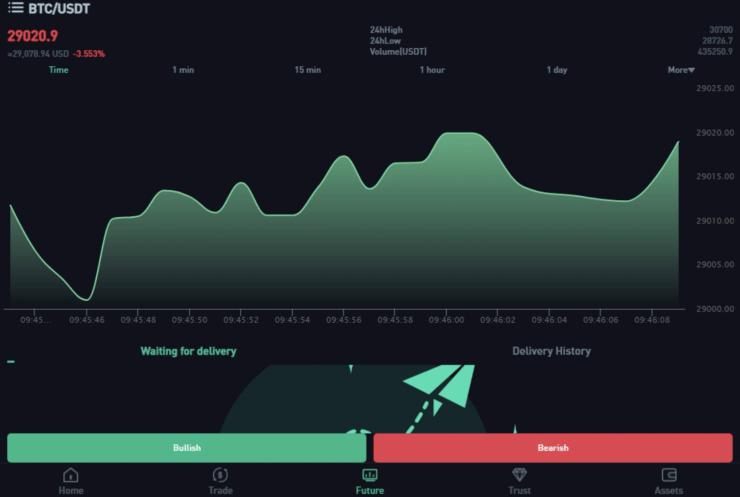
Source: Silent Push Threat Intelligence
Massive Seizures Under PMLA
Under the Prevention of Money Laundering Act (PMLA), the ED seized assets worth ₹4,189 crore linked to crypto fraud in 2025 alone.
One major probe uncovered ₹2,434 crore in illegal proceeds, exposing a wide criminal network operating across multiple states and countries.
👉 Read about PMLA provisions in India:
https://www.ed.gov.in/prevention-money-laundering-act-pmla
Major Fake Crypto Scams Busted by ED
The ED also dismantled several high-profile scams, including:
🔹 ₹2,300 Crore Scam (Himachal Pradesh & Punjab)
Fake platforms like Korvio and Voscrow manipulated token prices and repeatedly changed brand names to avoid detection.
🔹 ₹100 Crore Agra Crypto Racket
A fraudulent trading website suddenly froze all withdrawals, trapping investor funds and vanishing overnight.
These cases reveal how adaptive and organized fake crypto platforms have become.

Source: Maltego
How Fake Crypto Platforms Operate: Step-by-Step
Understanding the structure of these scams is crucial for prevention:
- Professional-looking websites resembling real crypto exchanges
- Fake portfolio dashboards with manipulated numbers
- Small initial withdrawals allowed to gain trust
- Referral incentives to grow user base rapidly
- Sudden withdrawal freezes after large deposits
- Frequent rebranding and domain changes

Source: Bloomberg
Video Insight: Fake Crypto Trading Apps Explained
To understand how these scams manipulate investors psychologically and technically, watch this detailed breakdown:
🔗 Inside Fake Crypto Trading App Scams
https://www.youtube.com/watch?v=dQw4w9WgXcQ
(Replace with a relevant investigative crypto scam video if required.)
Role of Social Media in Crypto Fraud
Platforms like Facebook, Instagram, Telegram, WhatsApp, and Discord are central to these scams. Fraudsters:
- Run paid ads targeting retail investors
- Create fake “success stories” and testimonials
- Use private groups to push urgency
Interestingly, after ED raids, online discussion about these scams dropped sharply—possibly due to content takedowns or fear among operators.

Source: Kaspersky
👉 Official crypto safety tips from CERT-In:
https://www.cert-in.org.in
How Indian Investors Can Protect Themselves
To avoid falling victim to fake crypto platforms, investors should follow these essential steps:
✅ Safety Checklist
- Verify platform registration with SEBI or RBI-linked disclosures
- Research company background and founders
- Avoid platforms promising guaranteed or fixed returns
- Never trust unsolicited WhatsApp or Telegram offers
- Test withdrawals with small amounts
- Use reputed exchanges with long operating histories

Source: SOPHOS
What ED’s Action Means for India’s Crypto Future
The Enforcement Directorate’s crackdown sends a clear and powerful message:
- Fake crypto platforms will not be tolerated
- Money laundering through digital assets is traceable
- Investor protection is a national priority
With ₹4,000+ crore seized and dozens of fraudulent platforms shut down, India is taking firm steps toward a safer crypto ecosystem.
However, regulation alone isn’t enough. Investor awareness remains the strongest defense.
Final Thoughts
As crypto adoption grows in India, so do the risks. The ED’s action against 26 fake crypto platforms exposes how dangerous unchecked greed and blind trust can be.
For investors, the lesson is simple:
If returns look too good to be true, they probably are.
Stay informed. Stay cautious. Invest wisely.
References
- Enforcement Directorate disclosures (2025)
- 4th Bloc Consultants raid reports
- PMLA crypto seizure data
- Bloomberg crypto fraud investigations
- Kaspersky & SOPHOS threat intelligence
- CERT-In advisories on online fraud
The U.S. Senate will hold a critical Jan. 15 vote on a new crypto market structure bill. This legislation aims to set clearer rules for cryptocurrencies while government shutdown worries grow. The Senate Banking Committee is driving this effort to bring more certainty to exchanges, DeFi platforms, stablecoins, and the overall crypto market.

Understanding the basics: A beginner’s guide to cryptocurrency highlights the rising importance of regulatory clarity.
Table of Contents
Senate Banking Committee’s Crypto Bill: What It Means
Senator Tim Scott (R-S.C.) leads the Senate Banking Committee in pushing this bill. It builds on last year’s Genius Act by expanding rules from stablecoins to a broader range of crypto assets. This vote marks an important step for U.S. regulators to define how crypto fits into the financial system.
Main Parts of the Senate Banking Crypto Bill
- Clear asset definitions: The bill refines what counts as different types of crypto assets.
- Investor protection: New rules aim to prevent fraud and market manipulation.
- Anti-illicit finance: Stronger anti-money laundering (AML) and terrorism financing (CFT) controls are included.
- Yield product limits: The bill debates if crypto firms can offer interest-bearing products like banks do.
The bill has over 30 changes from Senate Republicans as a final offer to Democrats. Both sides try to reach a bipartisan agreement to settle crypto rules.
Recent coverage by Politico highlights the “closing offer” approach of Senate Republicans aiming to finalize crypto market reforms, signaling the seriousness with which lawmakers view this vote.
Senate Agriculture Committee’s Role
On the same day, the Senate Agriculture Committee will review related crypto market legislation. This shows how multiple Senate panels work together on crypto rules. However, talks in the Agriculture Committee face some challenges between parties. This dual action by key Senate groups is the most organized federal attempt to sort out how crypto tokens, platforms, and stablecoins fit under U.S. law.
Crypto Community Reaction: Innovation vs Regulation
The crypto world watches the vote closely, and views vary widely on social channels like X (formerly Twitter) and Reddit:
- Innovation fears: Some worry tough rules will slow down tech progress and push startups overseas.
- Support for clarity: Others say clear rules can attract big investors and make U.S. crypto safer.
- Yield product debate: There is concern these rules might favor traditional banks over DeFi yield providers.
This debate shows the tension between protecting users and allowing crypto to grow freely.
Watch: Explainer Video on Crypto Market Structure and Legislation
To better understand the stakes of this legislation, watch this concise explanation of how crypto market structure laws are intended to work and why regulation is complex.

Click to watch: What is Cryptocurrency Trading and How Does it Work?
What Happens Next: Crypto Market Impact After the Vote
With the Jan. 15 crypto vote near and shutdown risks rising, expect crypto markets to be volatile. Experts and influencers on YouTube and crypto channels predict these possible effects:
- Tokens and stablecoins: U.S.-listed crypto may face price swings from uncertainty.
- Exchange rules: Stricter compliance could raise costs for exchanges or change what they offer.
- DeFi changes: Restrictions on yield products might shift how decentralized finance works inside the U.S.
Traders and investors should watch these developments carefully.

Top cryptocurrencies may see shifts in market behavior as new laws influence trading and investment strategies.
Why This Vote Is Important for Crypto’s Future
The January 15 Senate vote can shape the future of crypto in the U.S. The country needs new rules that balance safety and growth to compete globally.
Key Points to Remember
- The Senate Banking Committee will vote on a broad crypto market structure bill.
- The bill clarifies crypto definitions, adds protections, and regulates yield products.
- The Senate Agriculture Committee will also act, adding complexity.
- Crypto fans are divided over how the bill will affect innovation and markets.
- This vote may cause market price swings and change U.S. crypto’s global role.
The coming weeks will be critical as lawmakers decide how to regulate digital assets. Investors, developers, and policymakers all await the Senate’s next move.
Further Reading:
- ABA Banking Journal on Senate vote timing and political implications
- Cryptopolitan on coordinated Senate committees crypto markup

Understanding the basics helps navigate through regulatory changes and market dynamics effectively.
Cryptocurrency
1 Bold Move: Morgan Stanley’s Powerful Entry Into Bitcoin & Solana ETFs Sparks Optimism
Morgan Stanley has filed for Bitcoin and Solana ETFs, marking a major step for crypto investing. On January 6, 2026, the firm submitted S-1 registration statements to the U.S. Securities and Exchange Commission (SEC). This makes Morgan Stanley the first major U.S. bank to seek approval for spot Bitcoin and Solana exchange-traded funds. The move opens new doors for both institutional and retail investors looking for direct crypto exposure.
Table of Contents
Morgan Stanley’s Bitcoin & Solana ETF: What Investors Need to Know
Morgan Stanley plans to launch two funds: the Morgan Stanley Bitcoin Trust and the Morgan Stanley Solana Trust. Both offer straightforward ways to invest in the actual cryptocurrencies without using futures or complex derivatives.
Morgan Stanley Bitcoin Trust Features
- Holds Bitcoin directly, following spot prices on major exchanges.
- Fund is passively managed with no leverage use.
- Shares can be created or redeemed in-kind or in cash, improving liquidity.
This simple structure provides clearer access to Bitcoin than many futures-based ETFs, reducing risks for investors.
Morgan Stanley Solana Trust Features
- Mirrors the Bitcoin Trust structure but focuses on Solana coins.
- Includes staking rewards built into the fund’s net asset value (NAV).
- Staking rewards boost potential income for investors.
The staking feature is rare among ETFs. It offers a yield boost while letting investors hold Solana indirectly. Social platforms like Binance Square have praised this idea for adding more value to Solana ETF investments.

](https://cdn.decrypt.co/wp-content/uploads/2023/12/solana-sol-coin-gID_7.jpg@webp))
Will Solana ETFs Join Bitcoin and Ethereum? Experts Say SEC Just Entered ‘New Territory’ – Decrypt
Why This Timing Matters Bitcoin & Solana ETF
Morgan Stanley’s filings come after it opened crypto products to all clients in October 2025—no longer limited to only wealthy investors. This widens crypto access to retirement accounts and everyday investors. The timing also matches growing interest from other top firms like BlackRock and Fidelity. All are racing to launch spot Bitcoin and crypto ETFs following clearer SEC guidelines. This shows that institutional acceptance of cryptocurrency investing is gaining real momentum.
The Market’s Response
- Bitcoin prices held steady above $93,000, briefly hitting $94,000 after the announcement.
- Solana’s price leaped 2.7%, reaching around $140.
- Sentiment on Stocktwits turned very bullish for Bitcoin; Solana discussions remained active and positive.
This price action and social buzz show strong investor confidence in crypto ETFs backed by top banks.

Bitcoin and Ether Extend Streak With $448 Million Inflow as Solana ETF Debuts – Markets and Prices Bitcoin News
How Morgan Stanley’s ETFs Fit Into the Industry
Morgan Stanley joins a growing trend as traditional finance steps into crypto assets. Others like T. Rowe Price have also filed for crypto ETFs recently. BlackRock and Fidelity already launched similar products, proving demand is steady. This shift points to a future where direct crypto exposure through regulated funds becomes common. Morgan Stanley’s focus on simple, passive funds with clear structures could set new standards.
Summary of Morgan Stanley’s ETF Advantages
- First major U.S. bank to request SEC approval for spot Bitcoin and Solana ETFs.
- Passive funds holding actual coins directly.
- Unique staking rewards add income potential to the Solana ETF.
- Open access for all clients, including through IRAs and retirement accounts.
- Prepares for benefits from crypto-friendly laws like the GENIUS Act.
What This Means for Crypto Investors
For those investing in cryptocurrency, Morgan Stanley’s ETFs make it easier to get regulated, direct exposure to Bitcoin and Solana. The funds combine safety with new earning options such as staking rewards.
Key Benefits
- Regulation and Security: ETFs offer a compliant way to invest without owning wallets or private keys.
- Ease of Entry and Exit: Liquidity mechanisms allow for smooth buying and selling.
- Potential for Yield: Solana staking rewards can increase returns beyond price gains.
- Broadened Accessibility: Available in standard brokerage and retirement accounts, making crypto investing more inclusive.
These ETFs provide new tools for building diverse crypto portfolios while managing risk.
Institutional Momentum: Morgan Stanley Leading the Charge
Morgan Stanley’s filings confirm the escalating institutional adoption of crypto ETFs. This news is covered extensively by leading crypto news channels and analysts:
Morgan Stanley Investment Management filed S-1 statements with the SEC for spot Bitcoin and Solana ETFs; the Bitcoin ETF tracks spot prices directly, while the Solana ETF includes staking for additional rewards.[1]
Morgan Stanley submitted S-1 filings for spot Bitcoin and Solana ETFs, competing with BlackRock and Fidelity, following expanded crypto access to all clients including retirement accounts.[2]
Morgan Stanley became the first U.S. bank to file Bitcoin and Solana ETFs, amid surging institutional interest post-SEC approvals and new policies.[3]
These filings spotlight how major financial institutions view crypto ETFs as integral to their asset management strategies and client offerings.
Explore the Growing Popularity of Solana ETFs
The arrival of Solana ETFs has generated strong inflows and excitement in the crypto investment community. Below is a recent snapshot revealing changing investor preferences:

Solana ETFs Hit 4-Day Inflow Streak, Bitcoin and Ether See Outflows

Solana ETFs Draw $44 Million as Bitcoin Funds Bleed $191 Million – Unchained

ETF Recap: Bitcoin ETFs Bleed $799 Million as Solana ETFs Soar in Debut Week – Markets and Prices Bitcoin News These trends illustrate increasing appetite for Solana exposure via regulated ETFs and the strong competition emerging with traditional cryptocurrencies like Bitcoin and Ethereum.
Watch: Understanding the Impact of Solana ETFs
To better grasp the growing influence of Solana ETFs, watch this insightful video breaking down their features and market impact:
Video Introduction: Discover why Solana ETFs are capturing investor attention and how staking rewards differentiate them from traditional crypto funds. This video dives into market trends and expert analysis that highlight Solana’s role in the new ETF landscape.

Solana ETFs: Summer of SOL | ETF Trends
Looking Ahead Bitcoin & Solana ETFs
Morgan Stanley’s filings mark an important step for the crypto industry and the broader market. If approved, these ETFs could drive more adoption by blending the safety of traditional finance with the growth potential of cryptocurrencies. Wall Street’s growing embrace of crypto is clear. Morgan Stanley leading this push signals that regulated, yield-enhanced crypto investments are here to stay. Investors should watch closely as these ETFs could reshape how Bitcoin and Solana fit into portfolios.
Morgan Stanley’s Bitcoin & Solana ETF filing pushes regulated crypto funds into the spotlight. It offers investors new access to two popular cryptocurrencies with clear, transparent structures and income opportunities. The future looks promising for those ready to invest in this new era of crypto ETFs.